Wholesale Raisins: The Ultimate Guide to Sourcing, Quality, Pricing, and Global Supply
- Share
- publisher
- Goodluck Nuts & Kernels
- Issue Time
- Jun 16,2026
Summary
A comprehensive guide to wholesale raisins — from types and applications to supplier selection, quality evaluation, and building a reliable supply chain for your business.
Overview of the Global Wholesale Raisin Market
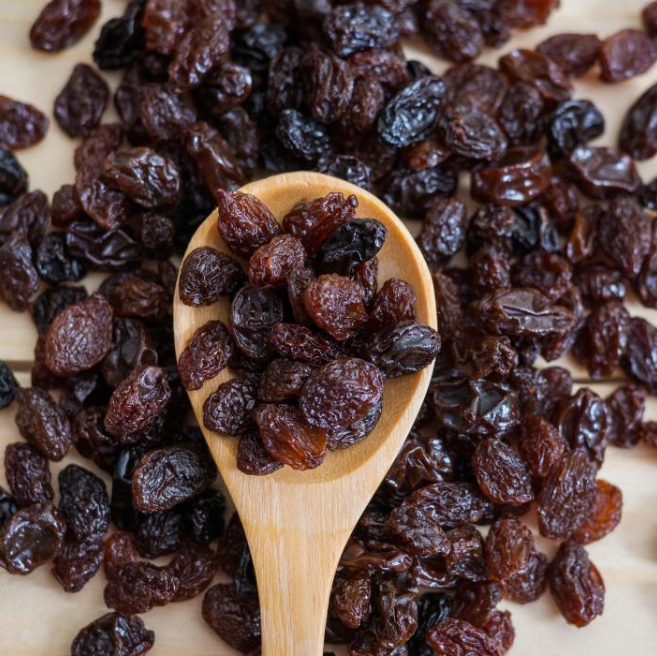
Global demand for raisins has seen steady, quiet growth, establishing them as a powerful force in the dried fruit and food ingredient industries. Once viewed merely as simple snacks or baking staples, raisins have evolved into key ingredients in baked goods, breakfast cereals, confectionery, and even health-focused product lines.
Modern supermarket shelves and bakery menus reveal the ubiquity of raisins — found in granola bars, breakfast cereals, cookies, and energy snacks. This widespread use reflects a growing consumer preference for naturally sweet, clean-label, and nutritious food options.
Wholesale raisins play a vital role in this ecosystem. Without reliable bulk supply chains, large-scale food manufacturers and distributors would struggle to maintain product consistency, price stability, and adequate supply volumes.
What Are Wholesale Raisins?
Wholesale raisins refer to dried grapes sold in bulk, typically intended for commercial use rather than individual consumption. Unlike retail-packaged raisins, wholesale raisins are designed specifically for food manufacturers, distributors, bakeries, and foodservice companies.
- Sold in large packaging (10 kg, 25 kg, or industrial cartons)
- Less emphasis on branding; greater focus on consistency
- Designed for processing and ingredient incorporation
- Priced based on bulk market dynamics
Industrial raisins must meet stricter specifications including uniform moisture content, stable shelf life, food safety compliance, batch-to-batch consistency, and contamination-free processing. In short, wholesale raisins are more than just food products — they are industrial ingredients.
Key Types of Wholesale Raisins
Understanding the different varieties of raisins is crucial for selecting the right product mix for your business, particularly in the baking, snack manufacturing, and foodservice sectors.
Golden Raisins
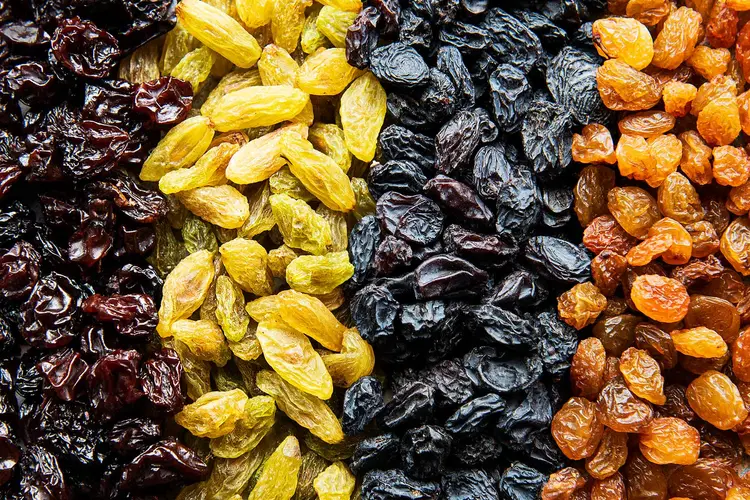
Golden raisins are known for their bright, pale gold color and soft, plump texture. This appearance is achieved by treating the grapes with sulfur dioxide during the drying process. Golden raisins are highly versatile in commercial applications and are frequently added to breakfast cereals, granola bars, muffins, and pastries.
Our wholesale golden raisins offer stable shelf life and consistent quality preferred by bakeries and cereal manufacturers alike.
Black Raisins
Black raisins are produced using a natural sun-drying process without chemical treatment, resulting in a deep brown to near-black color and a more intense, rich flavor with subtle caramel undertones. They are widely used in traditional dishes, confectionery, and healthy snacks.
Sultana Raisins
Sultana raisins are smaller, lighter in color, and generally sweeter than other varieties. In the European market, Sultana raisins are particularly popular in baked goods such as fruitcakes, cookies, and puddings.
Organic Raisins
Organic raisins are produced from grapes grown without synthetic pesticides or chemical fertilizers. Demand for organic raisins has grown significantly as consumers increasingly value food transparency and sustainability. Although organic raisins typically command a higher price, their added value lies in strong branding potential and alignment with modern health trends.
Wholesale Raisin Applications in the Food Industry
As a versatile ingredient, raisins have long been a staple in global food manufacturing and foodservice sectors. Their natural sweetness, long shelf life, and functional adaptability make them suitable for everything from large-scale manufacturing to high-end culinary applications.
Baking and Pastry Production
In the baking industry, raisins are among the most widely used dried fruits, valued for their ability to enhance flavor, improve texture, and retain moisture. Bakers incorporate raisins into raisin bread, fruit muffins, scones, cookies, and sweet rolls. For wholesalers, consistency in raisin size, moisture content, and quality is crucial, as these factors directly impact baking performance.
Breakfast Cereals and Granola Bars
Raisins play a significant role in the breakfast and healthy snack sectors, particularly in cereals, muesli mixes, and granola bars. Their natural sweetness makes them an effective ingredient for reducing added sugars while maintaining a delightful flavor.
Confectionery and Snacks
One of the most popular applications is chocolate-coated raisins, where the natural sweetness blends perfectly with rich cocoa notes. Beyond confectionery, raisins are frequently used in energy mixes, dried fruit medleys, and protein snacks.
Foodservice Industry
The foodservice industry — including hotels, airlines, restaurants, and catering companies — makes extensive use of raisins in both sweet and savory dishes. In savory dishes, raisins are frequently paired with rice, stuffings, and meats, where their subtle sweetness adds depth.
How to Select a Reliable Wholesale Raisin Supplier
Choosing a reliable raisin supplier is a critical step in ensuring consistent product quality, stable pricing, and a smooth supply chain. Learn more about our company and how we ensure quality throughout our supply chain.
Quality Control Standards
A robust supplier should implement strict quality control systems at every stage of production — from vineyard selection and harvesting to drying, processing, sorting, and packaging. Key aspects include moisture content testing, size and color grading, impurity removal, and microbiological safety checks.
Certifications
When evaluating wholesale raisin suppliers, buyers should prioritize certifications such as ISO Certification, HACCP, Organic Certification, and Halal Certification where required. Suppliers holding multiple certifications demonstrate compliance with both safety regulations and specific market requirements.
Production Capacity
For wholesale buyers, production capacity is a decisive factor. A reliable supplier must be capable of consistently handling large-volume orders while maintaining product quality and meeting delivery schedules.
Traceability
Modern consumers increasingly demand end-to-end traceability. A transparent supply chain enables businesses to verify the origin, production methods, and safety compliance of food products. Reliable suppliers employ digital tracking or batch-coding systems to trace each shipment back to its source.
Packaging and Customization Options for Bulk Buyers
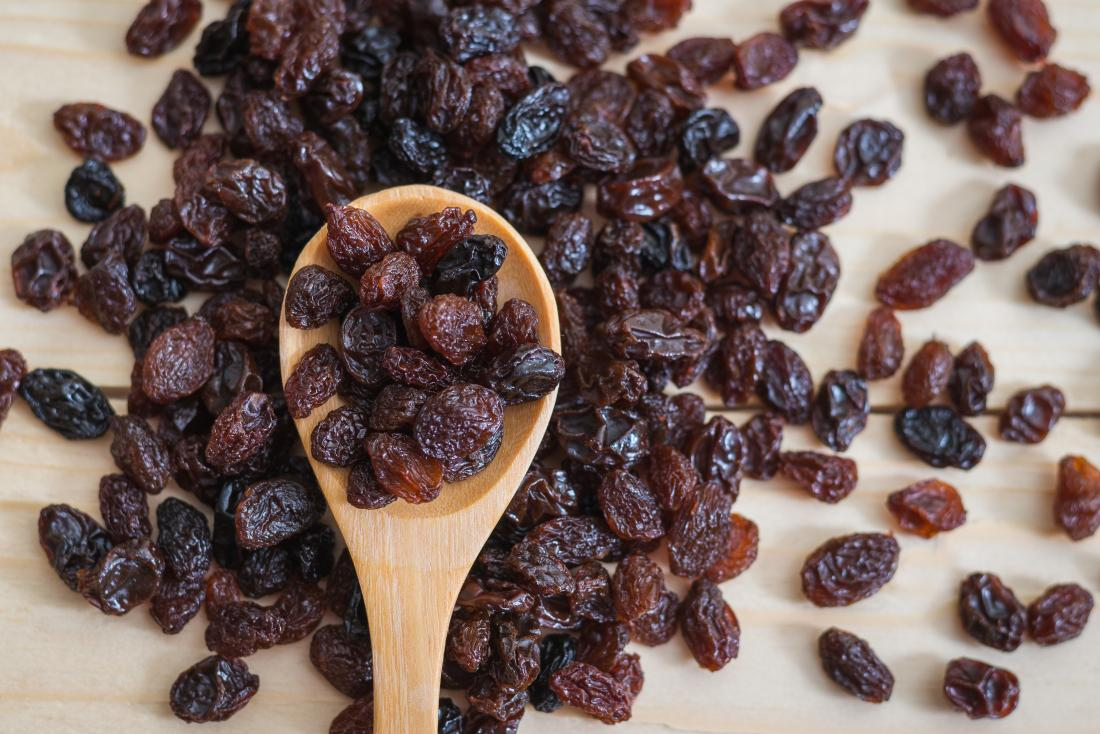
For wholesale raisin customers, packaging formats affect not only shipping costs but also product stability during storage and processing. Professional suppliers typically offer a range of flexible packaging solutions:
- 10 kg cartons: Suitable for small-to-medium-sized food processing plants or regional distributors
- 25 kg standard packs: The most common wholesale specification, ideal for enterprises with stable procurement needs
- 50 kg packs: Primarily aimed at export markets, meeting North American and international trade standards
Many raisin suppliers also offer comprehensive private-label packaging services, including customized bag designs, retail-ready packaging (100 g, 250 g, 500 g), and product positioning optimization. Contact us to discuss your custom packaging requirements.
How to Evaluate Raisin Quality Like a Professional Buyer
Professional buyers rarely focus solely on price; they evaluate product quality across multiple dimensions:
- Color grading: A natural, uniform color with no significant variations or signs of blackening
- Moisture content: Ideal moisture levels maintain a stable, safe range suitable for processing
- Taste and texture testing: Distinct natural sweetness, soft texture, no off-flavors
Why Partnering with the Right Supplier Is Crucial
In bulk procurement, a supplier is more than just a source of goods — they are a core pillar supporting the stability of the entire supply chain. A reliable supplier helps businesses maintain product quality, control costs, and respond quickly to evolving market demands. Browse our full product range to see how we can support your business.
Mitigating Procurement Risks: Experienced suppliers help minimize disruptions caused by inconsistent quality, shipment delays, or supply fluctuations.
Ensuring Product Consistency: Professional suppliers implement rigorous quality control procedures throughout the production process.
Enhancing Brand Reputation: Partnering with certified suppliers demonstrates commitment to food safety and quality assurance.
Fostering Product Innovation: Top-tier suppliers offer customized solutions that help brands create unique offerings.
Improving Supply Chain Efficiency: Vertically integrated suppliers streamline procurement, reduce costs, and enhance delivery performance.
Conclusion: Building a Reliable Supply Chain
Whether you are a food manufacturer, brand retailer, or foodservice provider, selecting the right raisin supplier and establishing a long-term partnership helps mitigate cost fluctuations, enhance product consistency, and strengthen market competitiveness. In today's evolving global food market, supply chain stability is no longer merely a bonus — it is a core factor determining long-term viability. Send us an inquiry to start building your reliable raisin supply chain today.