Wholesale Dried Mango – A Complete B2B Guide for Importers, Distributors, and Private Label Owners
- Share
- Issue Time
- May 29,2026
Summary
Complete guide to wholesale dried mango covering sourcing, types, quality standards, pricing, packaging, and private label opportunities for global importers and B2B buyers.
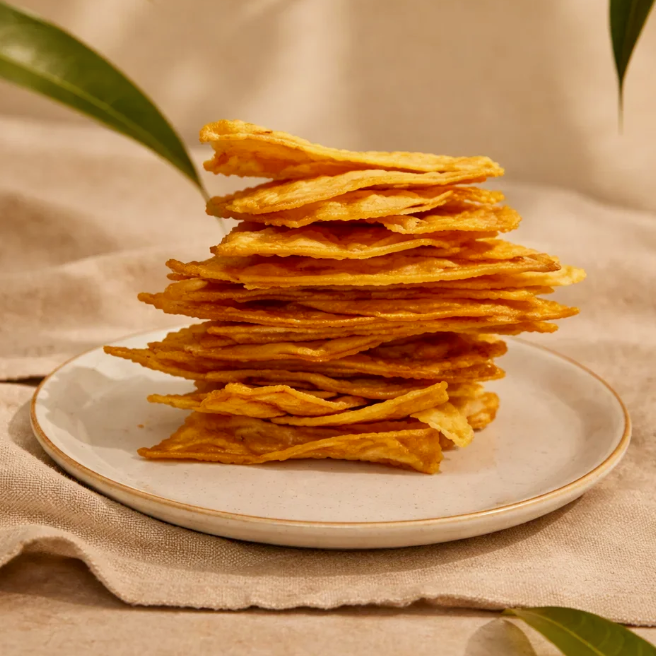
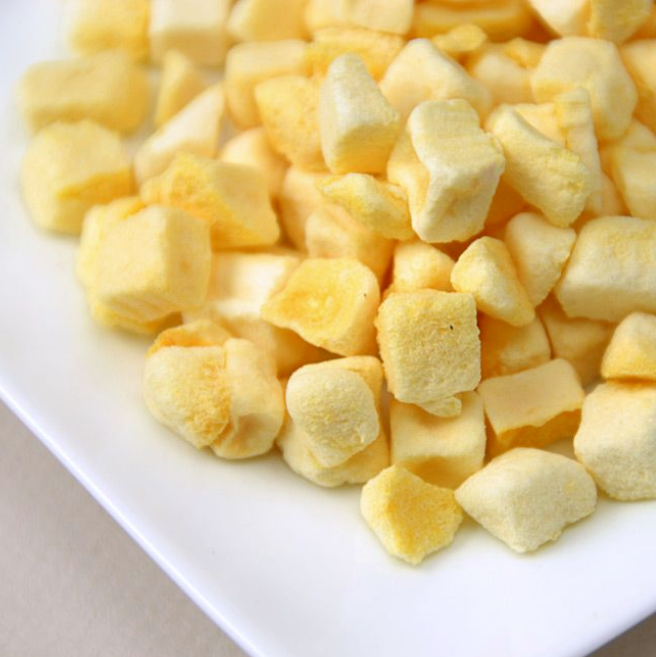
Driven by increasing health consciousness, the clean label trend, and the rapid growth of private label snacks, the global dried fruit industry is undergoing a profound transformation. Among all tropical dried fruits, dried mango is one of the fastest-growing categories in international trade.
For importers, wholesalers, supermarket buyers, and food brands, wholesaling dried mango is more than just a commodity; it's a scalable, brand-building, and profitable snack category that perfectly aligns with modern retail needs.
This guide provides an in-depth and practical overview of the entire supply chain: product types, processing methods, quality control systems, global sourcing strategies, pricing structures, packaging solutions, and supplier evaluation frameworks.
1. What is Wholesale Dried Mango?
Wholesale dried mango refers to mango fruit that has undergone dehydration processing and is supplied in bulk for commercial and industrial use. The primary purpose of mango drying is to remove moisture while preserving its flavor, texture, and nutritional value.
Unlike fresh mangoes, which have a short shelf life and are available seasonally, dried mangoes offer the following advantages:
• Long-term storage stability
• Year-round availability
• Reduced logistical risks
• Easier global distribution
This makes them ideal for:
• Retail snack brands
• Food distributors
• Private label manufacturers
• Food processing ingredient suppliers
2. How the Mango Drying Process Works
The process of turning fresh mangoes into dried mangoes involves controlled removal of moisture. This process typically includes:
2.1. Selecting Unripe Mangoes: Only fully ripe mangoes with high sugar content are selected. The mango variety significantly affects the final taste. Common export varieties include Alphonso, Kent, Atauulfo, and Nam Dok Mai.
2.2. Washing and Peeling: Fresh mangoes are washed and peeled to remove impurities and ensure they meet food safety standards.
2.3. Slicing: Depending on the requirements of the final product, the mangoes are cut into standard shapes such as strips, chunks, or cubes.
2.4. Drying Process: Moisture removal can be achieved through various methods (see below). This step determines the product's texture, flavor intensity, and shelf life.
2.5. Refrigeration and Air Conditioning: After drying, the product undergoes stabilization treatment to balance moisture distribution.
2.6. Packaging: The final product is sealed under controlled humidity conditions to maintain freshness.
3. Types of Wholesale Dried Mango Products
Different processing methods have created different product categories in the global dried fruit market. Understanding these categories is crucial for B2B buyers, importers, and private label owners to select the appropriate product mix, pricing strategy, and target market positioning.
3.1 Air-Dried Mango (Standard Wholesale Grade)
Air-dried mango is the most widely traded and commercialized form of dried mango in the global wholesale market. It is typically produced using hot air dehydration, a method that removes moisture while retaining the mango's natural chewiness.
Key Characteristics:
• Soft and chewy texture, similar to natural fruit
• Moderate moisture retention for a pleasant taste
• Natural sweetness (sugar content may be slightly adjusted depending on the supplier)
• Bulk packaging uses uniform slice sizes
• Cost-effective production process suitable for large-scale production
Market Positioning and Application: Dried mangoes are considered the "benchmark" product in the dried fruit category. They dominate supermarket private-label snacks, bulk wholesale distribution, and the food service supply chain. Many entry-level snack brands also choose this category due to its balance of cost and consumer acceptance.
B2B Advantages:
• Low production and procurement costs
• Stable supply throughout the year
• Easy to package into retail packaging formats (bags, cans, mixed fruit packs)
• Suitable for brand promotion and OEM/private-label development
Typical Buyers:
• Supermarket chains
• Snack distributors
• Import wholesalers
• Affordable e-commerce snack brands
3.2 Sweet Dried Mangoes/Candied Dried Mangoes
Sweet dried mangoes or candied dried mangoes are made by soaking mango slices in syrup before or during dehydration. This method significantly enhances sweetness, making dried mango a more enjoyable snack.
Key Features:
• High sweetness due to added sugar.
• Softer and juicier texture compared to regular dried mangoes.
• Glossy and attractive appearance, suitable for retail shelves.
• Sugar's preservative effect extends shelf life.
• Typically darker in color and more intense in aroma.
Functional Benefits:
In addition to improving taste, the infusion of sugar helps stabilize texture and reduce batch-to-batch variability, making it suitable for mass-market standardization.
Market Positioning: This category is particularly popular in regions where consumers prefer sweet snacks, especially:
• Southeast Asia
• China and East Asia retail markets
• Middle Eastern snack markets
• Certain Latin American packaged snack segments
Typical Applications:
• Convenience store snacks
• Airport retail products
• Gift snack boxes
• Value-added mixed dried fruit packaging
3.3 Organic Sugar-Free Mango (Clean Label Premium Product)
Organic or sugar-free dried mango is one of the fastest-growing segments in the global dried fruit industry, primarily driven by increasing consumer health awareness.
Key Features:
• No added sugar, preservatives, or artificial additives
• Requires certified organic raw mango suppliers
• Minimal processing to retain natural nutrients
• Typically uses low-temperature dehydration methods
• Slightly tart, closer to the natural fruit flavor
Consumer Demand Drivers:
This category is strongly influenced by global lifestyle shifts, including:
• Reduced sugar intake and ketogenic-friendly diets
• Clean label and “real food” consumption trends
• Increasing awareness of diabetes and metabolic health
• Preference for transparent ingredient sourcing
Market Positioning: Organic dried mangoes are typically priced in the premium range and sold through:
• Organic supermarkets and health food chains
• Premium food retailers
• Subscription snack boxes
• Premium e-commerce platforms
B2B Value:
• Higher unit profit margins
• Strong brand potential (health-centric positioning)
• Long-term growth trend in Western markets
• Suitable for export-oriented premium brands
3.4 Freeze-dried Mango (Premium Innovative Product)
Freeze-dried mango represents the most technologically advanced and highest-quality segment within the dried mango category. It is produced using vacuum freeze-drying technology, utilizing low-temperature sublimation to remove moisture.
Key Features:
• Extremely low moisture content (approximately 0-5%)
• Light, crisp, and fluffy texture
• Perfectly preserves natural flavor, color, and nutrients
• Long shelf life without preservatives
• Instantly rehydrates upon contact with water
Processing Advantages: Unlike heat drying, freeze-drying preserves the cellular structure, achieving a "fresh fruit-like" taste experience in its dried form.
Applications: Freeze-dried mango is widely used in high-value food innovation, such as:
• Breakfast cereals and granola blends
• Smoothies and functional food powders
• Premium mixed snacks and health bars
• Baking and dessert toppings
• Outdoor and travel nutrition products
Market Positioning: This is the highest-value segment within the dried mango category, typically priced 2-4 times higher than traditionally air-dried products. It is positioned as a functional, high-end, and innovation-driven snack.
B2B Opportunities:
• Strong demand for high-end health food brands
• Suitable for export to North America, Europe, and Japan
• High differentiation in private label innovation
• Increasingly widespread application in the functional food and sports nutrition industries
4. Quality Standards Buyers Must Evaluate
In wholesale dried mango sourcing, quality control is one of the key factors directly affecting shelf life, customer satisfaction, and brand reputation. Understanding key quality indicators helps importers, distributors, and private label brands reduce risk and ensure consistent product performance across different markets.
4.1 Moisture Content Control
Moisture content is one of the most important technical parameters in dried mango production because it directly affects storage stability, texture, and transportation safety.
The ideal moisture content is typically between 14% and 17%, although this may vary slightly depending on the processing method and product category (e.g., air-dried versus candied varieties).
Why Humidity Control is Important:
• Excessive Moisture Content (>17%)
• Increased risk of microbial growth and spoilage
• Significantly shortened shelf life
• May cause packaging problems, such as condensation.
• Insufficient Moisture Content (<14%)
• Causes an overly hard or brittle texture.
• Reduces consumer enjoyment and chewiness
• May negatively impact flavor release.
For B2B buyers, batch-to-batch consistency of moisture content is crucial for maintaining product consistency, especially for private label brands and large retail supply contracts.
4.2 Color Consistency
Color is one of the primary visual indicators of product quality and plays a significant role in consumer purchasing decisions, especially in retail environments.
Premium dried mangoes should possess the following characteristics:
• From bright golden yellow to rich orange hues
• Natural fruit pigments, free of artificial additives
• No black spots, black edges, or signs of oxidation
• Consistent appearance across all batches and production batches
Important in wholesale trade: Inconsistent color often indicates differences in raw material quality, processing temperature control, or oxidation during storage. For export markets, especially Europe and North America, visual consistency is a key requirement for compliance and brand promotion.
4.3 Texture Standards
Texture is a core factor determining product quality, as it directly impacts consumer satisfaction and repeat purchase behavior.
Ideal texture characteristics include:
• Chewy but not sticky or overly viscous
• Soft and easy to chew, without resistance
• No pasty or overly wet texture
• No sugar crystallization on the surface
Texture stability factors:
• Controlled drying temperature and time
• Sugar-to-water ratio (applicable to candied fruit varieties)
• Storage humidity conditions
• Packaging integrity during transportation
For premium brands, maintaining consistent flavor across all production batches is crucial for building long-term customer loyalty.
4.4 Flavor Characteristics
Flavor quality determines people's perceived value of dried mango and strongly influences market positioning, especially in premium and health-conscious segments.
High-quality dried mango should possess the following characteristics:
• Retain the natural sweetness and tropical aroma of fresh mango
• Refreshing taste with a rich fruity aroma
• Avoid burnt, fermented, or over-processed flavors.
• Avoid any artificial or chemical aftertastes.
Improper processing can lead to flavor risks:
• Overheating during dehydration can result in caramel or burnt flavors.
• Poor fermentation control can lead to sour or off-flavors.
• Excessive additives may mask the natural flavors of the fruit, but reduce the authenticity of the product.
For clean label and organic product lines, the integrity of natural flavors is a key competitive advantage.
4.5 Common Quality Issues to Avoid
In wholesale sourcing, early detection of potential defects helps reduce rejection rates and protect the stability of the supply chain.
Key issues include:
Over-drying
• Causes a brittle and hard texture.
• Reduces chewiness and consumer appeal
Excessive sugar crystallization
• Creates a granular or sandy surface texture.
• Usually caused by improper syrup concentration or cooling control.
Uneven coloring across batches
• Indicates inconsistent drying processes or differences in raw materials
• May affect retail packaging appearance and brand perception
Use of lower-grade unripe mangoes
• Affects flavor depth and sweetness balance
• May have a fibrous texture or sour taste
Poor storage conditions
• Humid or high-temperature environments can degrade the texture and flavor of the food.
• Increases the risk of microbial contamination during transportation
Own-brand and OEM/ODM cooperation opportunities
Own-brand dried mangoes are one of the most profitable entry strategies for emerging snack brands.
Customization Options
Manufacturers may offer:
• Flavor customization (chili, honey, original, etc.)
• Packaging design and brand support
• Product size and cut customization
• Mixed fruit snack formulas
Business Benefits
• Faster time to market
• Reduced R&D costs
• Higher retail profit margins
• Strong brand differentiation
This model is particularly popular with:
• Supermarket chains
• E-commerce snack brands
• Health food startups
Conclusion
Driven by the growing global demand for healthy, natural, and convenient snack products, the wholesale dried mango market continues to expand in both emerging and mature markets. From mainstream air-dried varieties to premium freeze-dried innovations, dried mango has become an important strategic category for importers, distributors, and private-label snack companies.
However, long-term success in this industry requires more than just choosing the right product type—it depends on several key factors, including understanding category positioning, selecting reliable production partners, maintaining strict quality control standards, and aligning with evolving consumer preferences such as clean labeling, low-sugar, and organic food trends.
For importers and private label brands, dried mango is a high-potential, scalable, and profitable product category with strong resilience and continued growth prospects in the global snack market.
If you are planning to develop your own dried mango product line, or are looking for a wholesale supplier with consistent quality, customizability, and export standards, please contact us to discuss your needs, request samples, and explore OEM/ODM solutions tailored to your brand.
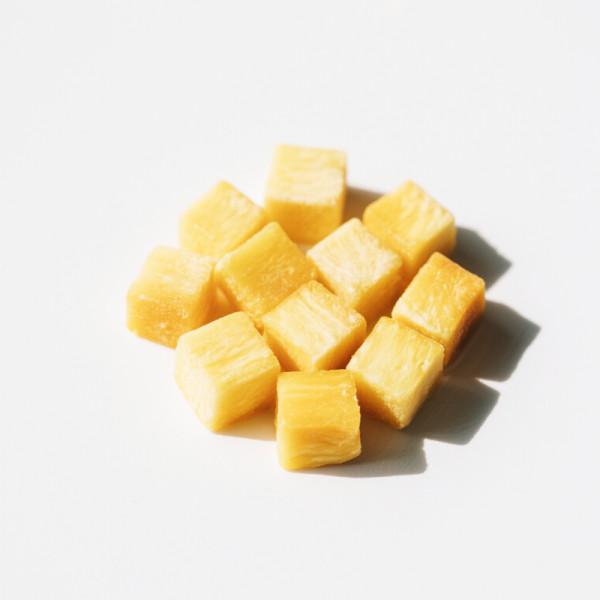
Discover the best Dried Mango Chunks Supplier offering Wholesale options. Factory Direct supply ensures top Export Quality.
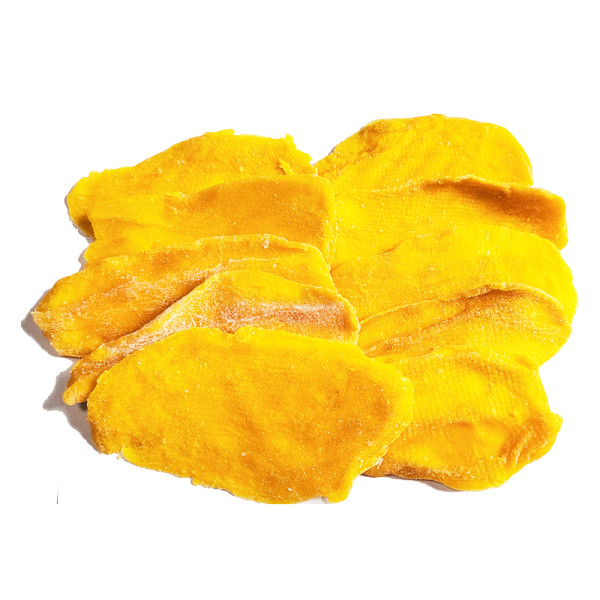
Explore premium dried mangos, a nutritious snack rich in vitamins. Wholesale supplier for B2B.
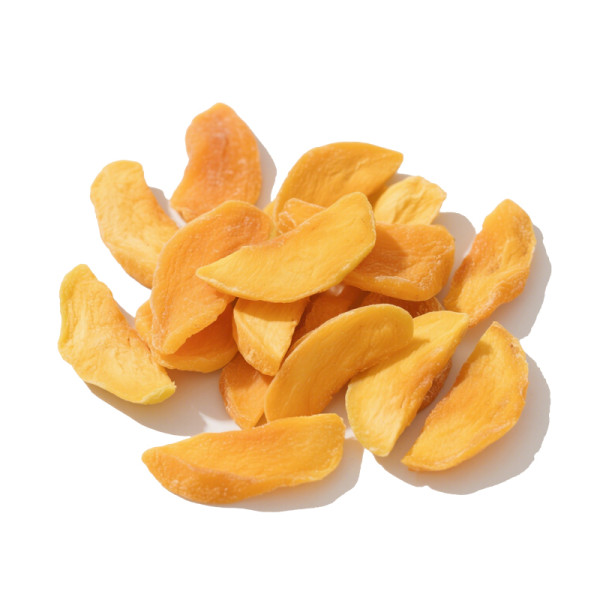
Thick-Sliced Dried Mangoes offer premium quality, natural sweetness, and perfect for wholesale and healthy snacking.