Unlocking the Real Price of Wholesale Walnut Kernels from China: A Buyer's 2026 Guide
- Share
- Issue Time
- Oct 13,2026
Summary
Dive deep into the complex world of wholesale walnut kernel pricing from China. This comprehensive guide breaks down every factor that influences your cost, from quality grades and production regions to seasonal market shifts and logistics. Learn how to navigate the market, identify true value, and secure the best prices for your business in 2026. This is the expert insight you need to make profitable sourcing decisions and avoid hidden costs.
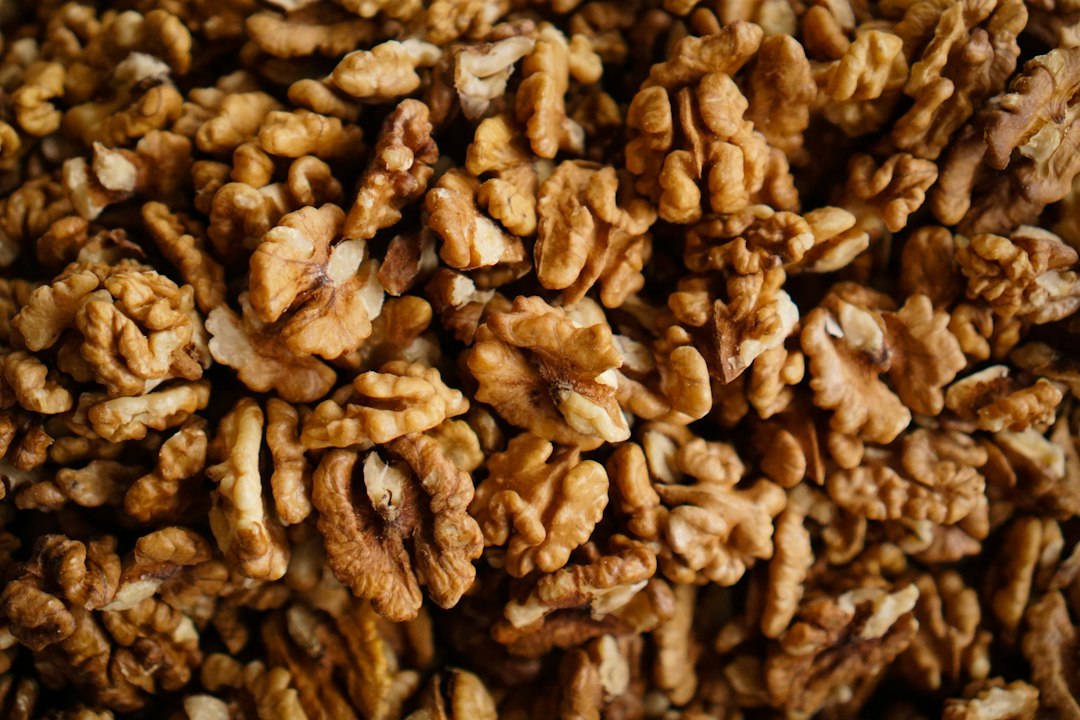
Unlocking the Real Price of Wholesale Walnut Kernels from China: A Buyer's 2026 Guide
China stands as a global powerhouse in walnut production, offering international buyers a compelling blend of volume, variety, and competitive pricing. However, navigating the wholesale market to determine the true price of walnut kernels is a complex task. The figure you are quoted is not just a number; it's the culmination of a dozen different variables, from the color of the kernel to the month of the year.
For importers, food manufacturers, and large-scale distributors, understanding these factors is not just academic—it's essential for profitability, supply chain stability, and product quality. This guide provides the expert analysis needed to decode the pricing structure of Chinese walnut kernels and make truly informed purchasing decisions.
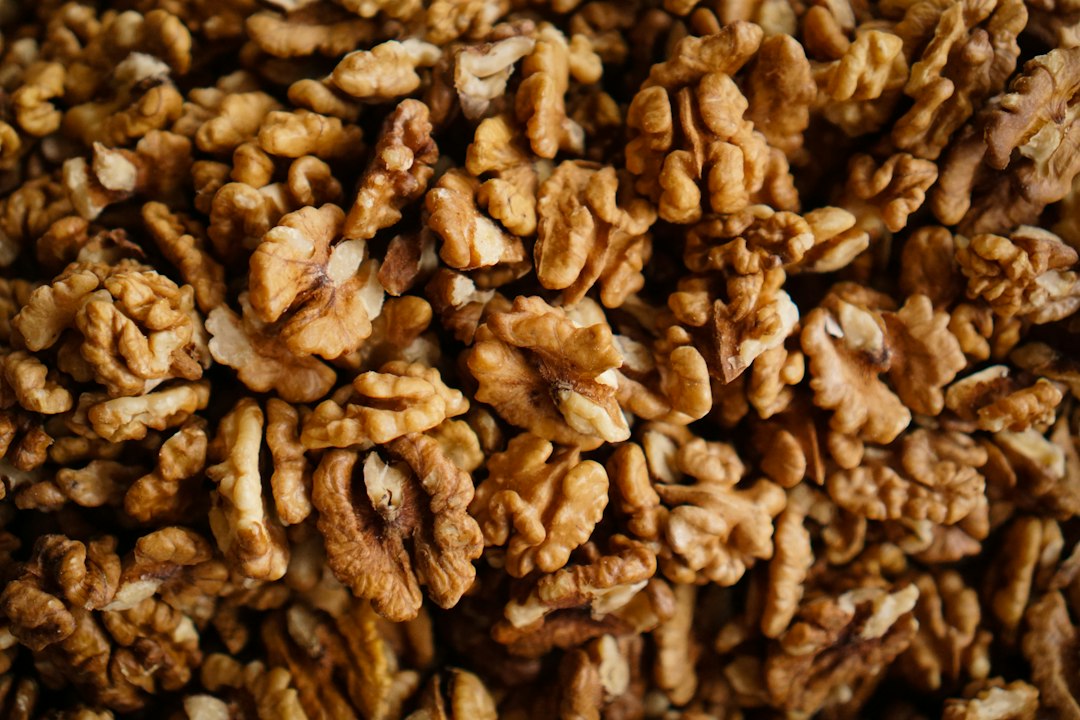
H2: Why Source Walnut Kernels from China?
Before diving into price, it's crucial to understand why China is such a dominant player. The country's vast agricultural landscape ensures a stable and massive supply, with an estimated output of 1.55 to 1.60 million tons for the 2025-2026 season. This scale provides a significant cost advantage over other origins like the USA or Chile. Furthermore, Chinese suppliers offer incredible flexibility in processing, grading, and packaging, allowing buyers to customize orders to their exact specifications.
H2: The Primary Price Driver: Understanding Walnut Kernel Grades
The most significant factor influencing price is the grade of the kernel. Appearance is paramount, and buyers pay a premium for visually perfect products. The grading system is primarily based on size and color.
- Light Halves (LH) / Extra Light Halves (ELH): This is the premium grade. It consists of large, intact halves with a pale, uniform color. ELH is the best of the best. These are destined for retail packaging and high-end confectionery where appearance is critical.
- Light Quarters (LQ): These are broken halves, smaller but still maintaining a good light color. They offer a balance between appearance and cost, making them ideal for bakery mixes and cereals.
- Light Pieces (LP) and Amber Grades: This category includes smaller fragments and kernels with a darker, or "amber," color. They are the most economical option, perfectly suited for industrial applications where the walnuts will be ground, incorporated into fillings, or used as an ingredient where appearance is secondary to flavor.
There is a clear price polarization: premium, high-quality light kernels command firm, high prices, while ordinary or mixed grades are more susceptible to price declines.
H2: The Geographic Factor: How Production Regions Impact Cost
Where the walnut is grown matters. China's two primary walnut-producing regions are Xinjiang and Yunnan, which together account for over 70% of the national supply. Each has unique characteristics that affect price.
- Xinjiang: Known for producing high-quality, paper-shelled walnuts like the '185' variety. Favorable weather conditions often lead to abundant harvests of light-colored kernels. Due to its reputation for quality, walnuts from Xinjiang often fetch a higher price.
- Yunnan: As China's largest walnut-producing province, Yunnan offers immense volume. While quality is generally good, it can be more variable than Xinjiang's. The sheer scale of production here can sometimes lead to more competitive pricing, especially for standard grades.
H2: A Table of Truth: Comparing Walnut Kernel Grades and Price Influence
To visualize the price hierarchy, consider this simplified comparison:
| Grade | Visual Characteristics | Common Use Cases | Relative Price Level |
|---|---|---|---|
| Extra Light Halves (ELH) | Intact, uniform halves; palest color | Premium Snacks, Retail Packs | $$$$ (Highest) |
| Light Halves (LH) | Mostly intact halves; light color | Bakery, Cereals, Toppings | $$$ |
| Light Quarters (LQ) | Quarter pieces; light color | Ingredient Mixes, Food Service | $$ |
| Light Pieces (LP) / Amber | Small fragments; darker or mixed color | Grinding, Fillings, Industrial | $ (Most Economical) |
H2: Seasonal Swings: The Critical Role of Harvest Time
Timing is everything. The main walnut harvest in China begins in September. Prices tend to be firm at the start of the harvest season, supported by strong initial demand from both domestic and overseas buyers. Buyers looking to secure the first lots of the new crop often pay a premium.
As the season progresses and more supply enters the market post-harvest, prices may soften, presenting a buying opportunity. However, waiting too long carries risks, as the highest-quality lots are often secured early. The key is to engage with suppliers early to gauge the market, but strategically time bulk purchases.
H2: Beyond the Kernel: How Processing Choices Affect Price
Raw kernels are the standard, but additional processing adds cost. Some suppliers offer value-added options:
- Peeled (Skinless) Kernels: The thin skin on a walnut kernel can have a slightly bitter taste. Removing this skin results in a milder, cleaner flavor and a premium appearance. This extra step is labor-intensive and significantly increases the price.
- Roasted or Flavored Kernels: Ready-to-eat products require additional processing, which is reflected in the cost.
For most bulk buyers, unpeeled, raw kernels offer the best balance of cost and utility, but peeled kernels are a growing market for premium applications.
H2: Market Dynamics: Global Demand and Domestic Consumption
Chinese walnut prices are not set in a vacuum. Strong domestic demand within China can absorb a large portion of the harvest, keeping prices firm. Simultaneously, demand from other major importing regions like India, Europe, and the Middle East creates competition. An increase in consumer preference for ready-to-eat snacks and plant-based foods (like walnut milk) is also driving up demand for high-quality kernels, further supporting strong prices for premium grades.
H2: The Hidden Costs: Logistics, Packaging, and Shipping
The quoted price per kilogram is just one part of the equation. Buyers must account for additional costs:
- Packaging: Walnut kernels are typically packed in 10kg or 12.5kg vacuum-sealed bags inside a sturdy carton. Custom or private-label packaging will add to the cost.
- Shipping & Freight: Ocean freight rates can be volatile. Surcharges and container availability can significantly impact the final landed cost. These factors must be monitored closely.
- Minimum Order Quantity (MOQ): Most suppliers have an MOQ, often a full 20-foot or 40-foot container, to optimize logistics. Smaller orders may be possible but often at a higher per-unit price.
H2: The Quality Seal: Why Certifications Are a Price Factor
Trustworthy suppliers invest in quality and safety certifications. While this might add a slight premium to the price, it is a non-negotiable aspect for ensuring food safety. Look for suppliers with certifications like:
- HACCP: Hazard Analysis and Critical Control Points, a systematic approach to food safety.
- ISO: International Organization for Standardization, ensuring quality management systems.
- BRC: British Retail Consortium, a global standard for food safety.
A supplier with these certifications demonstrates a commitment to quality that protects your business and your customers. This investment is an essential part of the cost of securing a reliable, safe product.
H2: Smart Negotiation: Tips for Securing the Best Price
Armed with this knowledge, you can negotiate more effectively. Rather than just asking for a lower price, focus on creating value.
- Be Specific: Clearly define your required grade, size, and specifications. A supplier can give a much more accurate (and often better) price for a specific request.
- Order Volume: Larger, consistent orders give you more leverage.
- Build Relationships: Long-term partnerships are more valuable to suppliers than one-off sales. Show you are a serious, long-term buyer.
- Request Samples: Always test samples to verify that the quality matches the grade and price you are being quoted.
H2: Final Thoughts: The Price of Value
The wholesale price of Chinese walnut kernels is a dynamic figure shaped by quality, geography, timing, and global market forces. The lowest price is not always the best value. By understanding the factors detailed in this guide, you can move beyond a simple cost-per-kilo mindset.
Your goal should be to find the most suitable grade for your application at a competitive and sustainable price from a reliable, certified supplier. This strategic approach will ensure you receive the quality you need, manage your costs effectively, and build a resilient supply chain for the future.