Top Certifications and Quality Standards Wholesale Beans Supplier Should Prioritize | GOODLUCK
- Share
- Issue Time
- Apr 2,2026
Summary
Learn the key certifications and quality standards a leading wholesale bean supplier like GOODLUCK must meet to ensure safety, compliance, and premium quality—helping you build a reliable, high-standard supply chain.
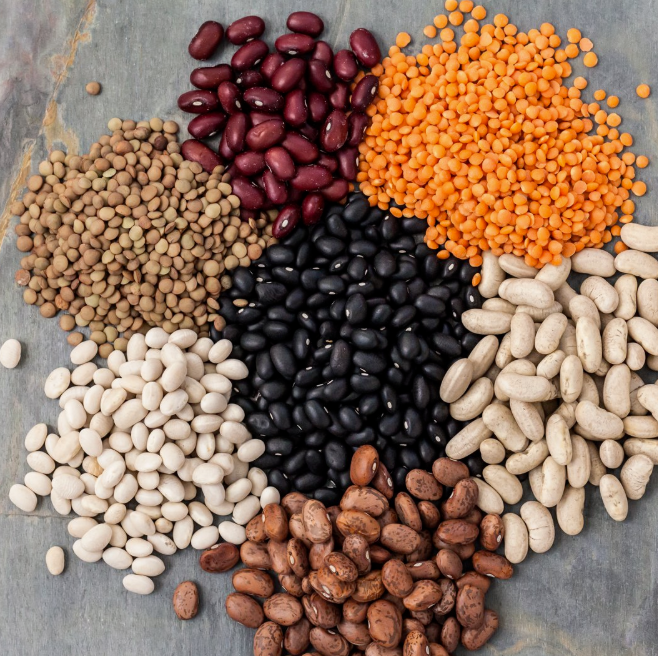
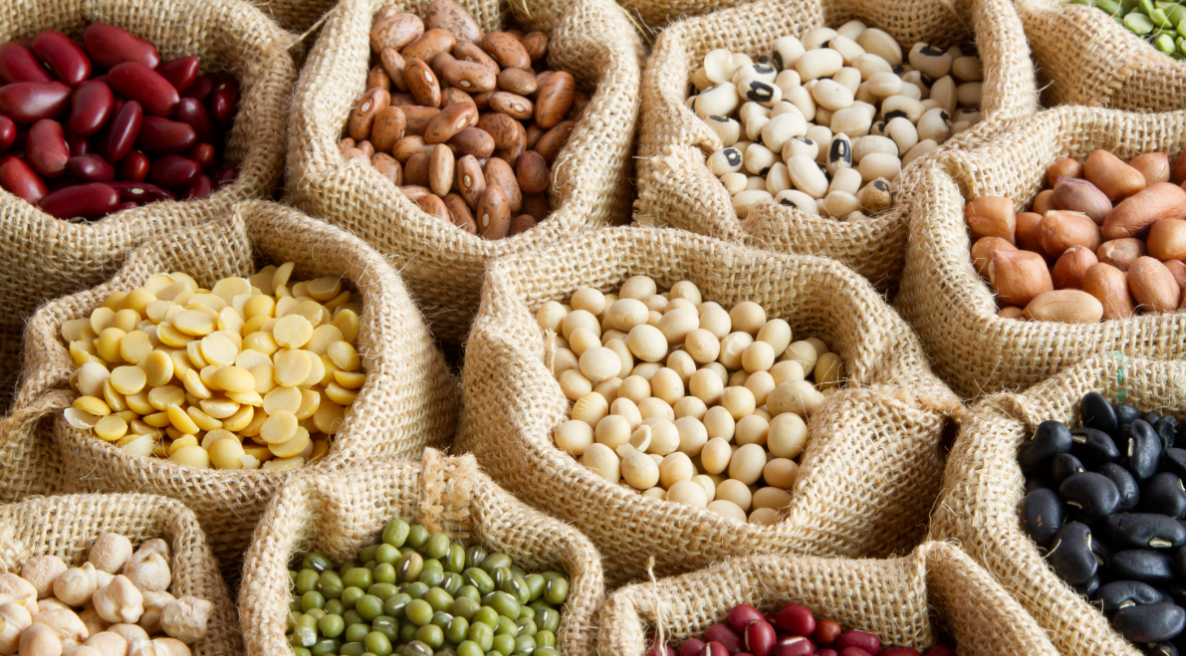
In the highly competitive realm of wholesale bean supply, establishing credibility, ensuring product safety, and maintaining superior quality are paramount. As a leading beans supplier, GOODLUCK recognizes that securing the right certifications and adhering to industry standards are essential to building trust with clients, complying with regulatory requirements, and achieving operational excellence. This comprehensive guide delineates the top certifications and quality standards that a wholesale beans supplier must prioritize to stand out in the marketplace, guarantee customer satisfaction, and uphold sustainability.
Why Certifications Matter in the Wholesale Beans Industry
Certifications serve as a seal of quality and trustworthiness, demonstrating a supplier's commitment to product safety, quality assurance, and ethical practices. In the global marketplace, where consumers and clients demand transparency and accountability, possessing recognized standards can significantly influence purchasing decisions.
For GOODLUCK, investing in relevant certifications is not merely a compliance requirement but a strategic move to differentiate our brand and foster long-term partnerships with retailers, distributors, and international clients. Certifications also facilitate smoother import-export procedures, open doors to new markets, and reinforce our reputation as a responsible and reliable supplier.
Essential Certifications for Wholesale Beans Suppliers
1. Global Food Safety Initiative (GFSI) Certification
The GFSI certification is the gold standard for food safety management systems. It encompasses various recognized schemes such as BRCGS, SQF, and FSSC 22000.
Why it matters: Ensures comprehensive food safety protocols, hazard analysis, and risk management.
Implementation: Requires rigorous internal audits, supplier verification, and traceability systems.
Impact: Facilitates international trade and reassures clients of our commitment to safety.
2. FSSC 22000 (Food Safety System Certification)
A recognition under GFSI, FSSC 22000 emphasizes preventive controls across the entire supply chain, from farm to fork.
Why it matters: Validates our adherence to stringent safety standards, minimizing risks of contamination.
Implementation: Involves detailed documentation, HACCP plans, and regular audits.
Benefits: Enhances credibility and allows access to global markets requiring FSSC 22000 compliance.
3. Organic Certification (USDA Organic, EU Organic, or Equivalent)
Organic certification guarantees that beans are cultivated and processed following strict organic farming practices without synthetic chemicals or GMOs.
Why it matters: Addresses the rising consumer demand for organic products and enables access to niche markets.
Implementation: Requires adherence to organic standards, record-keeping, and periodic inspections.
Impact: Adds value to the product and aligns with sustainability goals.
4. Fair Trade Certification
7. Non-GMO Certification
Fair Trade certification ensures ethical sourcing, fair wages, and sustainable farming practices.
Why it matters: Builds consumer trust and supports social responsibility initiatives.
Implementation: Complies with Fair Trade standards, including fair labor practices and environmental stewardship.
Benefits: Opens access to markets that prioritize ethical consumption and enhances brand reputation.
5. ISO 9001 (Quality Management System)
ISO 9001 certification underscores a commitment to quality management and continuous improvement.
Why it matters: Ensures consistent product quality, efficient processes, and customer satisfaction.
Implementation: Establishes a structured quality management system with documented procedures and audits.
Impact: Strengthens operational efficiency and client confidence.
6. ISO 22000 (Food Safety Management System)
Complementing ISO 9001, ISO 22000 focuses specifically on food safety.
Why it matters: Demonstrates a comprehensive approach to managing food safety hazards.
Implementation: Requires hazard analysis, critical control points, and verification processes.
Benefits: Facilitates compliance with international food safety standards.
7. Non-GMO Certification
This certification confirms that beans are non-genetically modified organisms, aligning with consumer preferences for natural and traditional products.
Why it matters: Adds an extra layer of consumer trust and differentiates our products.
Implementation: Requires traceability and verification of non-GMO practices.
Impact: Opens doors to health-conscious markets.
Key Quality Standards for Wholesale Beans Supplier
1. Traceability and Transparency Standards
Implementing robust traceability systems is fundamental to quality assurance. It involves tracking every batch of beans from farm to consumer, ensuring transparency and accountability.
Why it matters: Facilitates quick recalls if necessary, verifies origin, and assures clients of product integrity.
Implementation: Use of digital traceability tools, batch coding, and detailed documentation.
2. Good Agricultural Practices (GAP)
Adherence to GAP standards ensures that beans are cultivated under safe, sustainable, and environmentally friendly conditions.
Why it matters: Promotes soil health, reduces pesticide use, and ensures safe harvesting.
Implementation: Training farmers, monitoring pesticide application, and maintaining environmental standards.
3. Good Manufacturing Practices (GMP)
GMP standards govern the processing, packaging, and handling of beans to prevent contamination and preserve quality.
Why it matters: Ensures products meet safety and quality criteria throughout the supply chain.
Implementation: Clean facilities, proper storage, trained personnel, and documented procedures.
4. HACCP (Hazard Analysis and Critical Control Points)
A systematic approach to identifying and controlling potential hazards in food production.
Why it matters: Prevents contamination and spoilage, and ensures safety.
Implementation: Conducting hazard analyses, establishing critical control points, and continuous monitoring.
5. Sustainability and Environmental Standards
Incorporating sustainable practices is increasingly demanded by consumers and regulators.
Certifications such as Rainforest Alliance, UTZ, and ISO 14001.
Why it matters: Promotes environmental stewardship, reduces carbon footprint, and enhances brand reputation.
Implementation: Sustainable farming practices, waste reduction, and resource conservation.
How GOODLUCK Excels in Meeting and Exceeding Certification Standards
At GOODLUCK, we understand that certifications and standards are not just badges but commitments to excellence. Our strategic approach involves:
Rigorous Compliance: Continuously aligning our processes with the latest international standards.
Regular Audits and Training: Conducting internal audits and providing ongoing training to our team and partner farmers.
Supplier Partnerships: Collaborating with certified organic farmers, fair trade cooperatives, and sustainable growers.
Investing in Technology: Utilizing advanced traceability and quality control systems to ensure transparency.
Sustainable Practices: Committing to environmentally friendly and socially responsible farming and processing.
This integrated approach allows GOODLUCK to deliver premium quality beans that meet global standards, satisfy consumer expectations, and support sustainable development.
Conclusion: Prioritizing Certifications and Standards for Wholesale Beans Success
In the competitive landscape of wholesale beans supply, securing and maintaining top certifications and adhering to industry-leading standards is non-negotiable. Certifications such as GFSI, FSSC 22000, Organic, Fair Trade, ISO 9001, and ISO 22000 serve as cornerstones of product safety, quality, and ethical integrity.
For GOODLUCK, these standards are embedded in our core operational philosophy—driving us to deliver superior beans that not only meet but exceed expectations. Our unwavering commitment to certification excellence and quality standards positions us as a trusted partner in the global marketplace.
Choosing GOODLUCK means aligning with a supplier that prioritizes certified quality, sustainable practices, and customer satisfaction, ensuring your business thrives in a demanding environment. Elevate your supply chain with a partner dedicated to certified excellence—because your reputation deserves nothing less.
Contact GOODLUCK today to learn more about our certifications, quality standards, and how we can fulfill your wholesale beans requirements with unmatched reliability and excellence.