Seasonal Nuts Guide: Which Nuts Are Fresh and How to Eat Them | GOODLUCK
- Share
- Issue Time
- Dec 3,2025
Summary
Explore seasonal nuts, learn how to select fresh, premium nuts, and enjoy them year-round—elevate your snacking and cooking with GOODLUCK today!

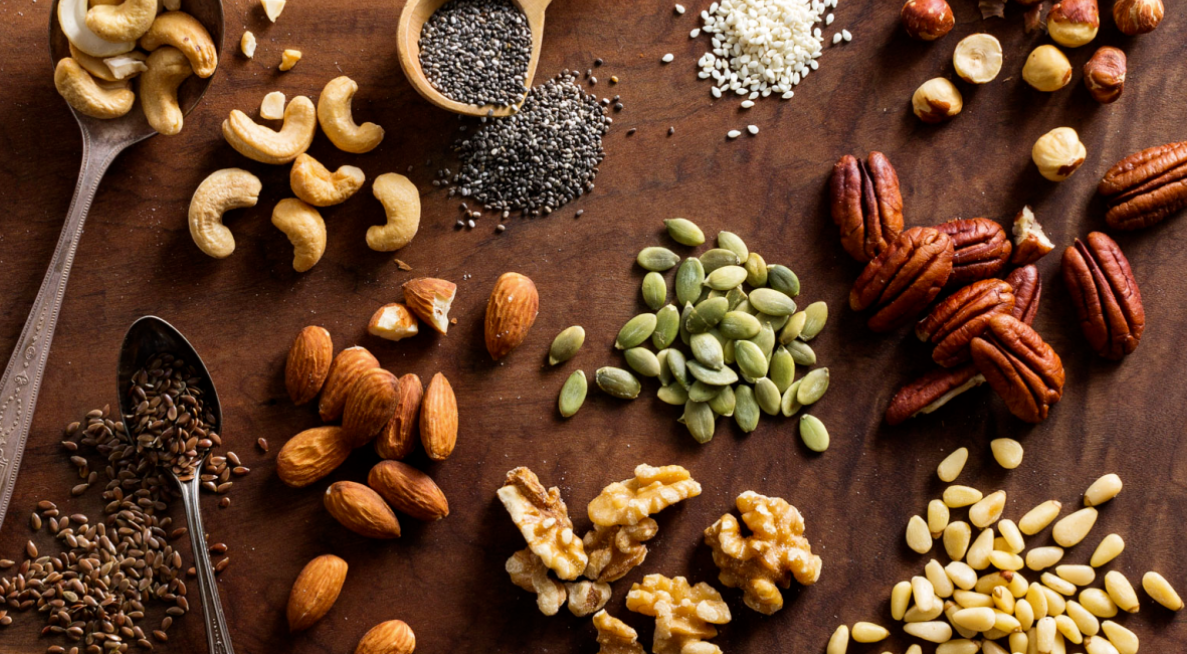
Nuts are a staple food in diets around the world, renowned not only for their rich flavor and satisfying crunch, but also for their exceptional nutritional value. As a premium supplier committed to quality, GOODLUCK understands that the key to enjoying the deliciousness of nuts lies in understanding their seasonal availability, freshness indicators, and how to best incorporate them into your daily diet.
In this comprehensive seasonal nut guide, we delve into the nuts that are best enjoyed year-round, how to identify fresh nuts, and creative, healthy ways to enjoy them. Whether you're a seasoned nut connoisseur or a casual snack lover, this guide ensures you make informed choices to maximize the deliciousness, health benefits, and culinary potential of nuts.
Understanding the Seasonal Cycle of Nuts: When Are Nuts at Their Best?
The Importance of Nut Seasonality
Nut trees follow natural growth and ripening cycles, and each nut has its unique harvest season. Understanding these seasonal patterns helps consumers harvest nuts at their peak quality—when they are freshest, taste best, and have the highest nutritional value. Harvesting nuts at their peak season also contributes to more sustainable agricultural practices, as it reduces the need for long-term storage, excessive processing, or chemical preservation.
Major Nut Harvest Seasons (by Variety)
Almonds (August to October): Almonds reach their peak ripeness in late summer and early autumn. Freshly harvested almonds are plump and juicy, with a subtle natural sweetness, and the shells are easy to crack. This is the best time to enjoy almonds, when they are at their freshest and crispest.
Walnuts (September to November): The walnut season lasts from early autumn to mid-autumn. Fresh walnuts have slightly moist shells and firm, plump kernels. Freshly harvested walnuts have a richer, more complex flavor, combining creamy sweetness with earthy aromas.
Cashews (November to February): Harvested during the cooler months, cashews are of the best quality after processing. Fresh cashews have a smooth surface, vibrant color, and a naturally smooth texture. Because cashews require careful handling, fresh cashews in season are typically of the highest quality.
Pecans (October to December): Harvested in late autumn. Fresh pecans have smooth, flawless shells and a subtle sweet aroma. The kernels are soft, juicy, and rich in natural oils, making this an ideal time for baking or enjoying as a snack.
Hazelnuts (September to October): The hazelnut season is relatively short. Freshly picked hazelnuts are plump and juicy, with shells that are easy to crack or split open easily. Freshly picked hazelnuts are noticeably sweeter and more fragrant.
Macadamia Nuts (November to April): Depending on the region, macadamia nuts can have the longest harvest period. Fresh macadamia nuts are firm, not easily cracked, and have a unique buttery aroma. Their natural oil content ensures a rich, smooth taste when eaten fresh.
Pistachios (August to October): Pistachios ripen in late summer. When the kernels are fully ripe, the shells will naturally split open—a sign of freshness and quality. Fresh pistachios are sweet, bright in color, and crunchy.
How to Identify Fresh Nuts: A Complete Quality Checklist
Ensuring the freshness of nuts is crucial for maintaining their flavor, texture, and nutritional value. Whether you are a consumer, retailer, or food producer, this comprehensive checklist will help you accurately determine the quality of nuts before purchasing or processing them.
1. Visual Inspection: Key Indicators of Freshness
✔ Color: Fresh nuts have a uniform, natural color consistent with their variety.
Almonds should be a clean, light brown, without white, yellow, or dark stains.
Walnuts should be a deep, rich brown, with smooth, well-shaped kernels.
Cashews should be ivory-colored, without brown or gray spots.
Pistachio kernels should be bright green or yellowish-green.
Any abnormal discoloration—especially black spots, yellowing, or fading—indicates oxidation, aging, or moisture damage.
✔ Shell Condition (In-Shell Nuts): High-quality in-shell nuts should appear clean and intact.
The shells must be free of cracks, holes, mold, or excessive dryness.
Cracked or overly brittle shells may indicate improper storage or insect infestation.
Mold (white, green, or black fuzz) is a sign of moisture contamination and should be avoided immediately.
✔ Kernel Appearance
When buying shelled nuts, the kernels should have the following characteristics:
Plump, full, and firm
Look moist but not oily
No wrinkles, no shriveling, no black spots
Shriveled or flat kernels are clear signs of aging, dehydration, or poor harvesting conditions. An oily surface may indicate that the kernels have gone rancid.
2. Smell and Texture: Fresh Aroma
✔ Aroma Quality:
Fresh nuts typically have a light, refreshing nutty aroma.
Avoid nuts with the following odors:
Sour
Moldy or musty smell
Bitter
A paint-like or chemical-like odor
These off-odors usually indicate oxidation, fungal contamination, or fat spoilage.
✔ Texture and Firmness
Fresh nuts, especially those in their shells, should feel:
Firm, dense, and slightly springy when pressed.
Dry, not sticky, and not sweaty.
If the nuts feel soft, rubbery, or are overly dry and dusty, they are no longer fresh and may be unsafe.
3. Taste Test: Confirming Freshness
When visual inspection and smell are insufficient, a small taste test can confirm quality.
The taste of fresh nuts should be:
Rich
Buttery
Naturally sweet or slightly earthy
Avoid nuts with the following tastes:
Bitter
Sour
Metallic
Spoiled or Moldy
Even a slightly bitter taste indicates spoilage and should be discarded immediately.
4. Tips for Maintaining Freshness and Shelf Life
Proper storage greatly affects the quality of nuts, especially high-fat varieties such as walnuts, pecans, and macadamia nuts.
✔ Room Temperature Storage
Store nuts in an airtight container to prevent moisture absorption.
Store in a cool, dry, dark place, away from sunlight and heat sources.
✔ Refrigeration
Recommended for nuts purchased in bulk or consumed slowly.
Depending on the type of nut, refrigeration helps maintain the freshness, flavor, and oil stability of the nuts for up to 6-12 months.
✔ Freezing
Best for long-term storage.
Frozen nuts can extend shelf life to 1-2 years without significant loss of flavor.
Use moisture-proof packaging to avoid freezing damage.
✔ General Tips
Always label the container with the purchase date or opening date.
Nuts easily absorb surrounding odors, so avoid storing them in areas with strong smells.
Health Benefits of Nuts and the Importance of Freshness Nutritional Treasure Trove
Nuts are rich in healthy monounsaturated and polyunsaturated fats, protein, fiber, vitamins, and minerals such as magnesium, zinc, and vitamin E.
Antioxidant Properties
• Fresh nuts contain antioxidants that combat oxidative stress and promote overall health.
Heart Health
• Regular consumption of nuts is associated with a reduced risk of cardiovascular disease, thanks to their lipid composition and anti-inflammatory properties.
Weight Management
• Nuts are satiating, and moderate consumption can help control appetite and weight.
The Impact of Freshness on Nutritional Value
• Fresh nuts contain higher levels of nutrients and antioxidants than stale or spoiled nuts.
• Spoiled nuts contain oxidized fats, which can be harmful, highlighting the importance of proper nut selection and storage.
Expert Tips from GOODLUCK to Help You Maximize the Freshness and Flavor of Your Nuts
• Always buy nuts from reputable suppliers like GOODLUCK that prioritize freshness and quality.
• Check the harvest date and choose nuts from the most recently packaged variety.
• Store nuts properly in airtight containers, away from heat and light.
• When buying in bulk, check each batch for signs of spoilage.
• Lightly roast the nuts before use to enhance flavor and ensure freshness.
Conclusion: Elevate your nut experience with GOODLUCK
Adding seasonal nuts when they are at their freshest not only enhances your culinary skills but also improves your health. Understanding seasonal changes, assessing nut freshness, and exploring various ways to enjoy nuts allows you to fully realize their benefits.
At GOODLUCK, we are committed to providing premium fresh nuts that meet the highest quality standards. Savor the rich, natural flavors of seasonal nuts, enjoy their unique textures, and reap their nutritional benefits. Whether enjoyed as a snack, added to your favorite recipes, or used in baking, choosing premium fresh nuts ensures that every bite delivers ultimate freshness and deliciousness.
Contact us today—we believe GOODLUCK will deliver the finest seasonal nuts directly to your table, enhancing your meal and snack experience.