How to Store Dried Fruit to Extend Its Shelf Life: Expert Advice from GOODLUCK
- Share
- Issue Time
- Dec 9,2025
Summary
Explore effective dried fruit storage strategies to extend their shelf life. Learn from GOODLUCK's experts the secrets to maintaining quality, preventing spoilage, and maximizing shelf life.
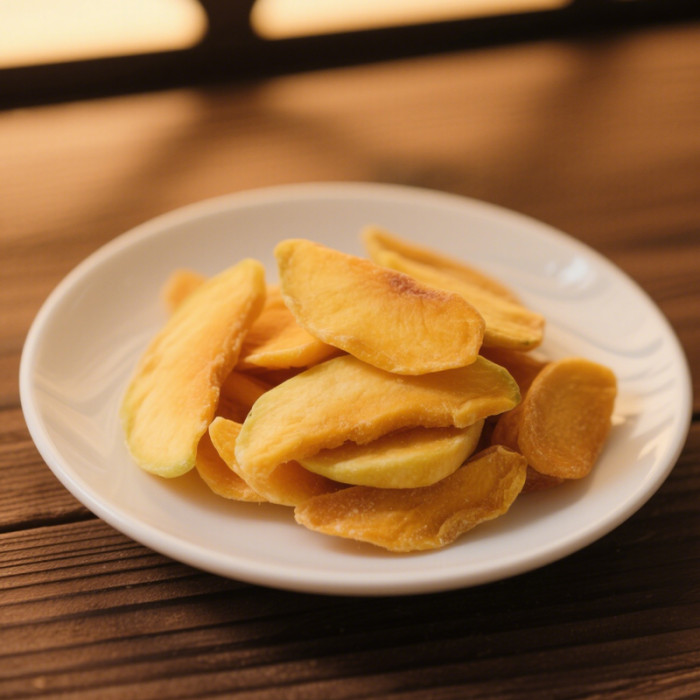
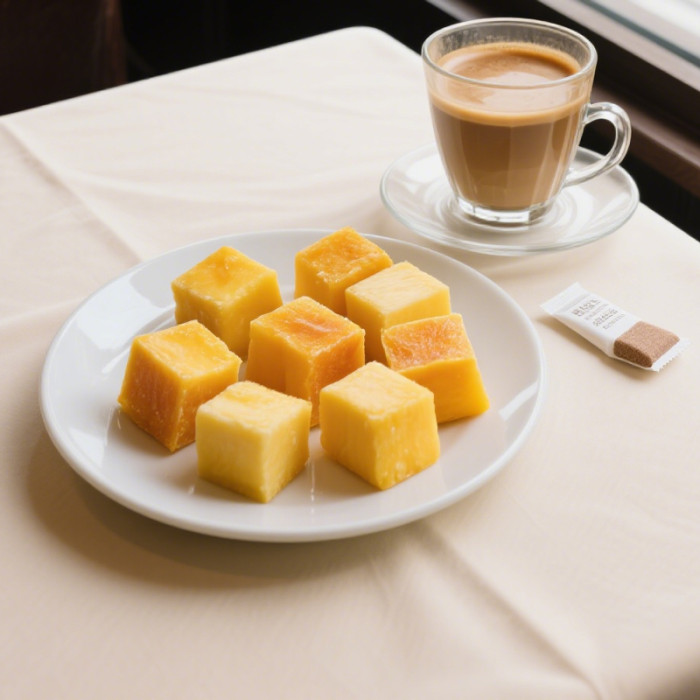
Proper storage of dried fruit is crucial for maintaining its freshness, flavor, and nutritional value over a long period. While dried fruit generally has a longer shelf life than fresh fruit, improper storage can lead to moisture absorption, mold, oxidation, and nutrient loss. GOODLUCK is dedicated to helping you optimize your dried fruit storage methods to ensure its quality and shelf life are at their best. This comprehensive guide covers everything you need to know about effectively storing dried fruit—from choosing the right containers to understanding the environmental factors that affect freshness.
Understanding the Factors Affecting the Shelf Life of Dried Fruit
Before discussing proper storage methods, it's essential to understand the key factors that directly impact the shelf life and overall quality of dried fruit:
1. Moisture Content: Even small amounts of residual or reabsorbed moisture can create ideal conditions for the growth of mold, yeast, and bacteria. Maintaining a low moisture content is crucial for preserving the product's texture, flavor, and safety.
2. Oxygen Exposure: Oxidation occurs when dried fruit is exposed to air. This not only leads to rancidity and off-flavors in the fruit, but also causes color changes and nutrient degradation, especially affecting oxidation-sensitive vitamins.
3. Light: Ultraviolet (UV) radiation accelerates oxidation and destroys natural pigments, leading to fading and flavor deterioration. Even with sealed packaging, prolonged exposure to light significantly shortens shelf life.
4. Temperature Fluctuations: High temperatures or unstable temperatures accelerate chemical reactions and microbial activity, increasing the risk of spoilage. Cool, stable environments help dried fruit maintain freshness for longer.
5. Pest Contamination: Improperly sealed or stored dried fruit is susceptible to insects, rodents, and other pests. Contamination not only reduces product quality but can also render the fruit inedible.
By understanding how these factors affect the stability of dried fruit, we can adopt targeted storage strategies to minimize spoilage and maintain optimal quality over time.
How to Choose the Best Container for Dried Fruit
Choosing the right container is key to effectively storing dried fruit. An ideal container should prevent moisture ingress, minimize oxygen exposure, and protect from light.
Material Considerations
Airtight Glass Jars: These have airtight lids. Glass containers are ideal for storing dried fruit. They are stable, transparent (for easy viewing), and effectively block moisture and air.
Food-Grade Plastic Containers: High-quality, BPA-free, and well-sealed plastic containers are a practical choice. Ensure they are durable and not easily broken.
Vacuum-Sealed Bags: For long-term storage, vacuum sealing removes air from the packaging, significantly extending shelf life and preventing oxidation.
Container Characteristics
Opaque or Dark Containers: To prevent light-induced spoilage, choose opaque containers or store transparent containers in a dark place.
Proper Sealing Mechanism: Ensure the lid or seal is airtight to prevent moisture and oxygen from entering.
Ideal Storage Environment for Dried Fruit
The storage environment plays a crucial role in the shelf life, flavor, and nutritional integrity of dried fruit. To maximize shelf life and maintain product quality, the following conditions should always be controlled:
Temperature Control
Low Temperature: Dried fruit should be stored in a cool, dark place, ideally at 10℃ to 18℃(50℉ to 65°F). Stable temperatures slow oxidation, inhibit microbial growth, and help maintain their natural color and texture. Sudden temperature changes can cause condensation inside the packaging, introducing unwanted moisture.
Avoid Extreme Temperatures: Keep dried fruit away from heat sources such as ovens, stovetops, radiators, or direct sunlight. Excessive temperatures accelerate spoilage and can cause dried fruit to harden or lose its flavor.
Humidity Management
Low Humidity: Maintain relative humidity below 60%, ideally around 50%. High humidity increases the risk of fruit reabsorbing moisture, leading to mold growth and faster spoilage.
Use Desiccants: Adding food-grade desiccant packets to storage containers helps control residual moisture and provides an extra layer of protection, especially in areas with high natural humidity.
Light Protection
Limit Light Exposure: Light, especially ultraviolet light, accelerates oxidation and damages pigments, thus reducing the quality of dried fruit. Store dried fruit in dark, opaque containers or in a light-proof cabinet to reduce oxidative damage.
Air Circulation
Maintain Good Ventilation: Ensure good air circulation around the storage area to prevent heat and moisture buildup. Adequate ventilation helps maintain stable humidity and prevents musty or off-odors.
If the environment is humid, avoid using non-vacuum-sealed containers, as moisture trapped in the sealed space promotes mold growth.
Best Practices for Extending the Shelf Life of Dried Fruit
Implementing the following best practices will ensure optimal preservation:
1. Ensure Thorough Drying Before Storage
• Complete Drying: Dried fruit must be thoroughly dried until the moisture content is below 15%. Any residual moisture can lead to spoilage.
• Uniform Drying: Use a dehydrator or low-temperature oven for consistent drying.
2. Store in a cool, dry place
• Refrigeration: To extend shelf life, especially in humid climates, store dried fruit in the refrigerator at approximately 40°F (4℃).
• Freezing: To extend shelf life, freeze-dried fruit in a vacuum-sealed bag; this can extend shelf life by up to a year or more.
3. Use Food-grade Desiccants
• Place silica gel desiccants or other food-grade desiccants inside the container to absorb residual moisture.
4. Regular inspection
• Regularly inspect stored dried fruit for signs of dampness, mold, or unusual odors. Remove any damaged fruit immediately.
5. Proper portioning
• Divide dried fruit into small portions and store them in airtight containers to minimize repeated contact with air and moisture each time you take some out.
Avoid Common Storage Mistakes
To maximize shelf life, avoid the following pitfalls:
• Storing in warm, humid environments, such as garages or attics.
• Use loosely sealed containers, allowing air and moisture to enter.
• Expose dried fruit to direct sunlight or high temperatures.
• Neglecting pest control can lead to infestations.
Special Considerations for Different Types of Dried Fruit
Different types of dried fruit require different storage methods:
Dried Berries and Small Fruits
• More prone to absorbing moisture; store in a cool, dry place in a sealed, light-proof container.
Dried Citrus Fruits and Tropical Fruits
• Generally high in sugar, making them susceptible to pests; always store in a sealed container and check regularly.
Dried Fruit Slices and Dried Fruits
• Store in a vacuum-sealed bag or airtight container to prevent sticking and moisture absorption.
Conclusion: GOODLUCK Helps You Achieve Optimal Freshness of Dried Fruit
At GOODLUCK, we firmly believe that proper storage is key to extending the shelf life of dried fruit and nuts. Through carefully selected containers, optimized environmental control, and proven preservation technologies, you can enjoy fresh, nutritious dried fruit for months, even years. Our storage solutions utilize airtight, light-protected containers and recommend storing in a cool, dry, and stable environment to minimize contact between dried fruit and moisture, oxygen, light, and pests.
Whether you're supplying retail stores or serving health-conscious consumers, these best practices will maximize the preservation of the taste, texture, and nutrients of your dried fruit. Want to upgrade your dried fruit storage to the pinnacle of efficient preservation? Contact GOODLUCK today, and we'll be happy to help you choose the ideal solution.
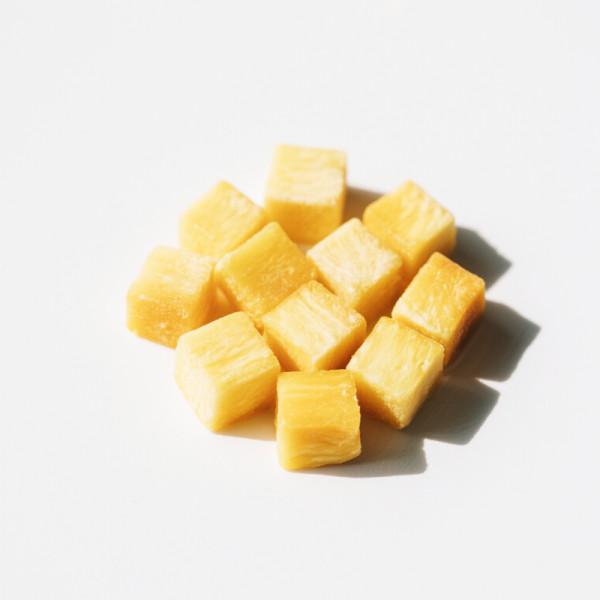
Discover the best Dried Mango Chunks Supplier offering Wholesale options. Factory Direct supply ensures top Export Quality.
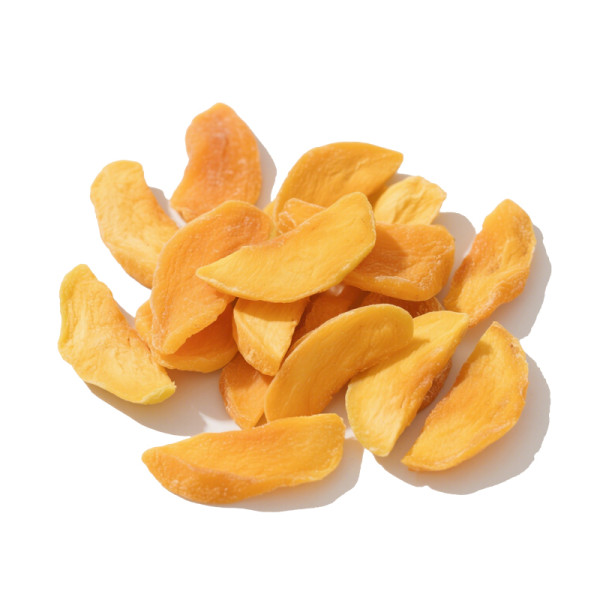
Thick-Sliced Dried Mangoes offer premium quality, natural sweetness, and perfect for wholesale and healthy snacking.
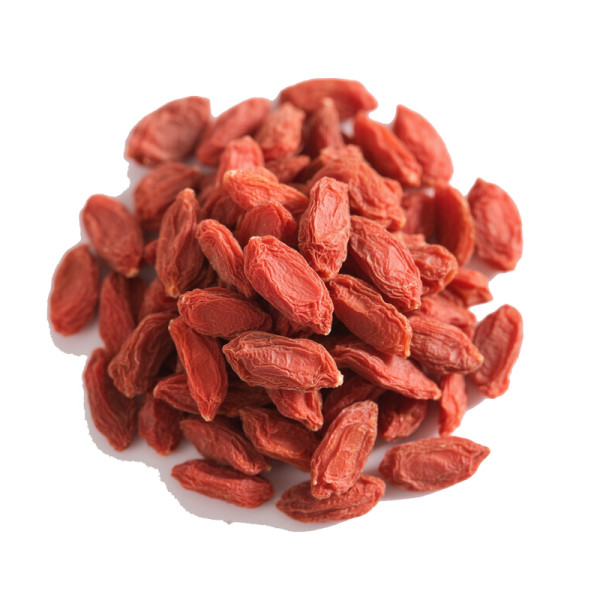
Discover premium Wholesale Dried Goji Berry, high-quality, organic, and rich in antioxidants. Ideal for bulk retail needs.
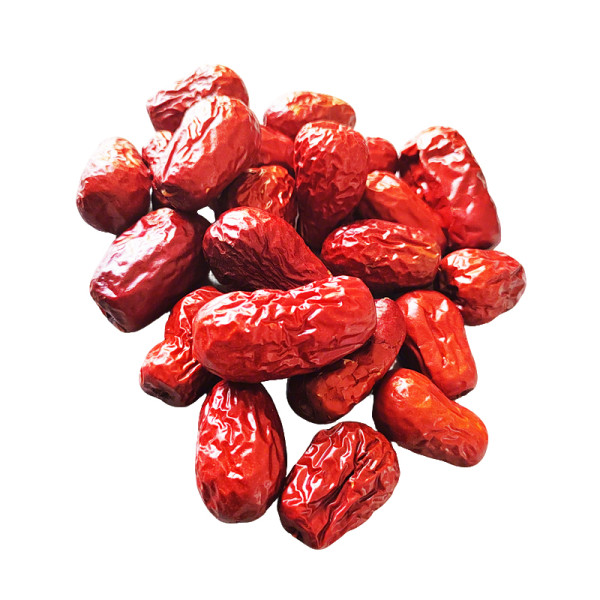
Discover premium Dried Jujubes, Perfect for snacks, smoothies & traditional medicine Wholesale supplier.