Have You Made These Common Mistakes When Buying Nuts? GOODLUCK's Complete Guide
- Share
- Issue Time
- Nov 18,2025
Summary
Learn the most common mistakes people make when buying nuts. Learn tips from GOODLUCK experts on how to select fresh, high-quality nuts and avoid costly mistakes.

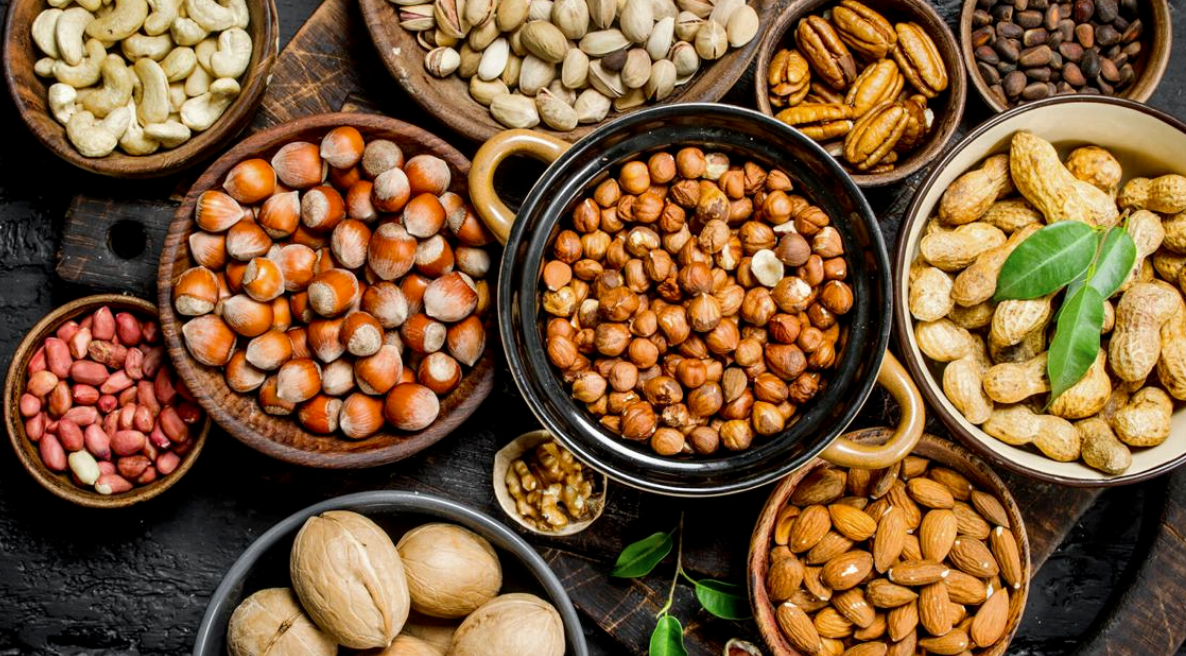
Many consumers unknowingly fall into traps when buying nuts, affecting their quality, freshness, and overall value. At GOODLUCK, we understand that choosing the perfect nuts is an art, not something you can simply pick up from the first bag on the shelf. It requires expertise, attention to detail, and an understanding of the characteristics of quality nuts. In this guide, we'll explore the most common mistakes people make when buying nuts and provide expert insights to help you make smarter, more informed choices.
Understanding the Importance of Nut Freshness
Freshness is paramount when selecting nuts. Stale or spoiled nuts not only lose their flavor and texture but also pose health risks due to rancidity. Many buyers overlook the importance of checking freshness, leading to disappointment and waste.
How to Identify Fresh Nuts
• Visual Inspection: Fresh nuts should have a rich, natural color, free of black spots or mold.
• Smell Test: A fresh, nutty aroma indicates freshness. A rotten or sour smell indicates oxidation and spoilage.
• Texture: Fresh nuts should feel firm and crunchy when pressed, not soft or springy.
• Packaging Date: Always check the packaging date or expiration date to ensure you are purchasing a recently produced product.
Common Mistake 1: Ignoring the Origin and Quality of Nuts
Many consumers choose nuts based solely on price, packaging design, or convenience, neglecting their actual origin. In fact, origin plays a crucial role in the freshness, flavor, safety, and overall nutritional value of nuts. Different regions and suppliers have different standards for cultivation, harvesting, and processing. Ignoring these differences can lead to purchasing stale, contaminated, or substandard nuts.
Why the Source of Information Matters
Reputable Suppliers: Well-known brands like GOODLUCK prioritize sustainable sourcing, rigorous quality management systems, and traceable supply chains. This ensures that every batch meets high standards of safety and freshness.
Country of Origin: Nuts from specific regions, such as almonds from California or pistachios from Iran, are renowned for their superior flavor and taste due to ideal climate, soil conditions, and traditional cultivation techniques.
Certifications: Quality certifications such as organic, fair trade, HACCP, or non-GMO indicate that these nuts are produced under regulated, ethical, and health-conscious standards.
How to Verify Quality
Research Brands: Choose companies with transparent sourcing processes, detailed product information, and consistently positive customer reviews.
Buy from Reputable Retailers: Purchase from trusted supermarkets or established e-commerce platforms that implement rigorous quality control throughout their supply chains.
Request Samples or Trials: For bulk buyers or wholesalers, requesting samples allows you to assess freshness, aroma, crispness, and overall quality before making large purchases.
Common Mistake 2: Ignoring Storage Conditions and Packaging
How nuts are stored before purchase plays a crucial role in their shelf life, taste, and nutritional value. Many consumers overlook basic packaging details, resulting in purchasing nuts that are already oxidized, spoiled, or contaminated.
The Effects of Poor Packaging
• Exposure to Air: Nuts contain natural oils that oxidize rapidly when exposed to oxygen, producing a rancid odor and an unpleasant bitter taste.
• Light and Humidity: Light accelerates the breakdown of oils, while humidity promotes mold growth and softens hard textures.
• Damaged or Tampered Packaging: Damaged, punctured, or resealed packaging is a sign of improper storage or handling, increasing the risk of contamination.
Packaging Considerations
• Airtight Packaging: Prevents nuts from contact with oxygen, keeping them fresh.
• Opaque or Dark-Colored Containers: Protect nuts from harmful UV rays.
• Clear Labeling: Should include storage instructions, production/expiration dates, and batch numbers for traceability.
Best Storage After Purchase
• Store nuts in an airtight container in a cool, dry place, away from direct sunlight.
• For long-term storage, nuts should be refrigerated or frozen to maintain freshness and prevent oil oxidation. This is especially important for nuts rich in healthy fats, such as walnuts or pecans.
Common Mistake 3: Buying Nuts in Bulk Without Checking Quality
Buying nuts in bulk may be cheaper, but only if they are fresh and well-preserved. Many bulk nut boxes are not properly rotated or monitored, increasing the risk of buying stale or substandard products.
Risks of Bulk Buying
• Lack of Freshness: Bulk containers may contain nuts that have been stored for months, causing them to lose flavor and nutritional value.
• Contamination Risk: Bulk containers expose nuts to air, handling, and environmental contaminants, increasing the likelihood of mold or foreign matter buildup.
• Limited Quality Control: When buying in bulk, it is difficult to check each nut for defects, spoilage, or pests.
How to Safely Buy Bulk Nuts
• Choose Reputable Bulk Stores: Prioritize stores with high turnover rates, clean storage areas, and strict hygiene protocols.
• Request Samples: Smell and taste the nuts to assess their freshness, texture, and crispness.
• Inquire about inventory turnover: Newly replenished boxes are more likely to contain high-quality nuts.
Common Misconception 4: Focusing Only on Price While Ignoring Nutritional Value
Many buyers tend to purchase lower-priced nuts without realizing that low-priced products often reflect decreased quality, longer storage time, or even adulterated batches.
Why Nutritional Quality Matters
• Nuts are rich in nutrients: They naturally contain healthy fats, proteins, antioxidants, and essential minerals. Inferior nuts reduce these benefits.
• Spoiled nuts have reduced value: When nuts spoil, their oils degrade, reducing their nutritional value and potentially causing digestive discomfort.
• Adulteration Risk: Lower-priced nuts may be mixed with inferior varieties, fillers, or additives, compromising safety and nutritional value.
How to Ensure Nutritional Integrity
• Choose reputable or certified organic brands: Companies like GOODLUCK ensure the freshness, safety, and purity of their products through rigorous quality control.
• Read labels carefully: Avoid buying nuts containing unnecessary additives, flavor enhancers, or preservatives. • Quality over cost: Investing in higher-quality nuts ensures better flavor, superior nutrition, and a longer shelf life.
Common Mistake 5: Ignoring Nut Varieties and Types
Not all nuts are created equal—each nut has its unique flavor, texture, and nutritional value. However, many consumers simply choose the most readily available nuts, ignoring whether that nut is best suited for their needs. Understanding nut varieties helps you make smarter, tastier, and more nutritious choices.
Understanding Nut Varieties
• Almonds: Naturally crunchy and rich in Vitamin E, almonds are a versatile nut, perfect for healthy snacks, baking, and making plant-based milk.
• Cashews: Smooth and mild in flavor, cashews are ideal for desserts, cream sauces, vegan cheese bases, and everyday cooking.
• Pistachios: Known for their vibrant color and distinctive aroma, pistachios are a premium snack and a great garnish for salads, pastries, and ice cream.
• Walnuts: Rich in omega-3 fatty acids and antioxidants, walnuts add a rich, earthy flavor to salads, baked goods, and savory dishes.
• Hazelnuts: Hazelnuts have a rich nutty flavor and are widely used in chocolate spreads, candies, pastries, and fine desserts.
How to Choose the Right Nuts for Your Needs
• Cooking & Snacking: Some nuts (like pecans and walnuts) excel in baked goods, while others (like almonds or pistachios) are perfect for eating raw or roasting.
• Flavor Characteristics: Consider how the flavor of a nut blends with your recipes. Mild-flavored nuts like cashews are great in sauces, while rich-flavored nuts like walnuts or hazelnuts pair wonderfully with desserts or salads.
• Health Benefits: Choose nuts based on your nutritional goals. Walnuts are good for brain and heart health, almonds are rich in vitamin E, and pistachios provide protein and antioxidants.
How GOODLUCK Ensures Premium Nut Quality
As a wholesale nut supplier, GOODLUCK is committed to providing only premium nuts from reputable farms worldwide. Our nuts undergo rigorous quality control, including freshness testing, organic certification, and sustainable harvesting. We use airtight, light-protected packaging to preserve the flavor and nutrients, ensuring customers receive the best product.
We are committed to transparency and customer satisfaction.
• Traceability: Detailed information on the origin and harvest date of raw materials.
• Quality Assurance: Regular testing for contaminants and rancidity.
• Customer Education: Guidance and tips on selecting, storing, and enjoying nuts.
Conclusion: How to Avoid the Most Common Mistakes When Buying Nuts
Choosing the right nuts requires attention to detail, relevant knowledge, and choosing reliable sources. Always prioritize freshness, quality, and packaging. Never make decisions based solely on price, and avoid buying large quantities without verification. Understanding different varieties and their nutritional value helps consumers make choices based on their health goals and dietary needs.
By partnering with GOODLUCK, an agricultural product wholesale supplier, you will receive premium nuts that meet the highest standards of quality, freshness, and safety. Remember, smart choices lead to a better taste experience and health benefits.
Take action now! Choose GOODLUCK's premium nuts
Make your next shopping experience more meaningful. Visit the GOODLUCK website to explore our wide selection of premium fresh nuts—carefully selected ingredients, professionally processed, and quality guaranteed. With the right knowledge, you can enhance your snacking experience, improve your cooking skills, and contribute to a healthier lifestyle.
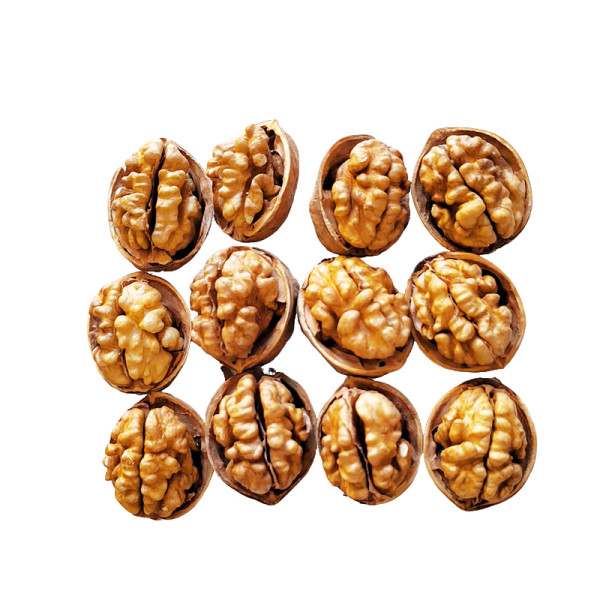
Xinjiang W185 Thin-Shell Walnuts in Bulk - 65%+ Kernel Yield, BRC-Certified for Snack Manufacturing & Wholesale Suppliers
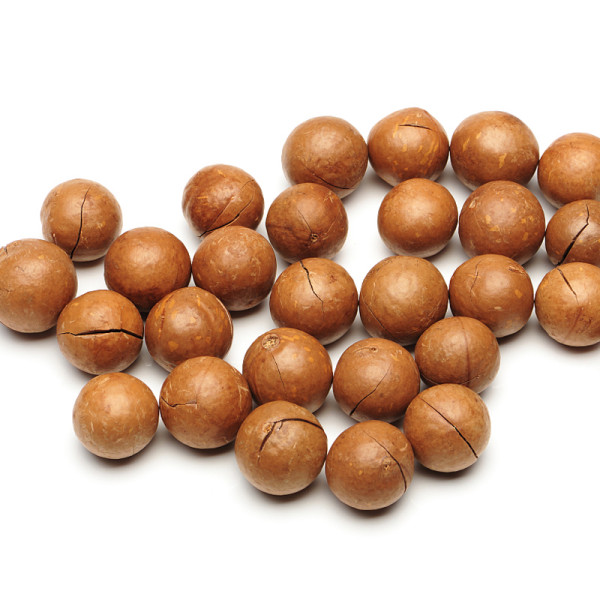
Discover Premium Macadamia Nuts Rich in Omega-3 Perfect for Healthy Snacks Bulk Wholesale Supplier | Crunchy & Nutritious
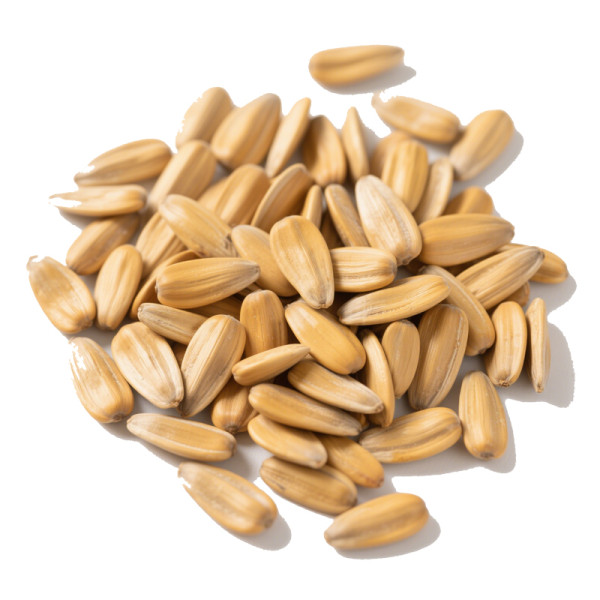
White Sunflower Seeds Health Benefits are numerous. Rich in vitamins, minerals, and antioxidants, they support heart health.
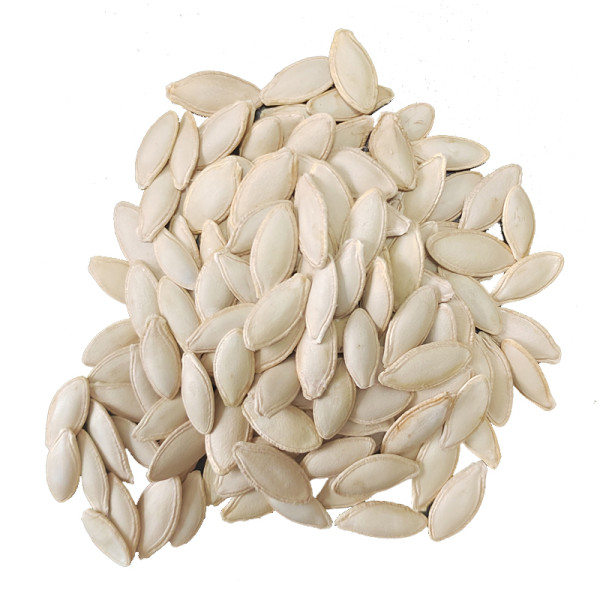
Discover Edible Lady Nail Pumpkin Seeds, premium quality, rich in protein & fiber, Bulk wholesale options for B2B clients.